October 29, 2026
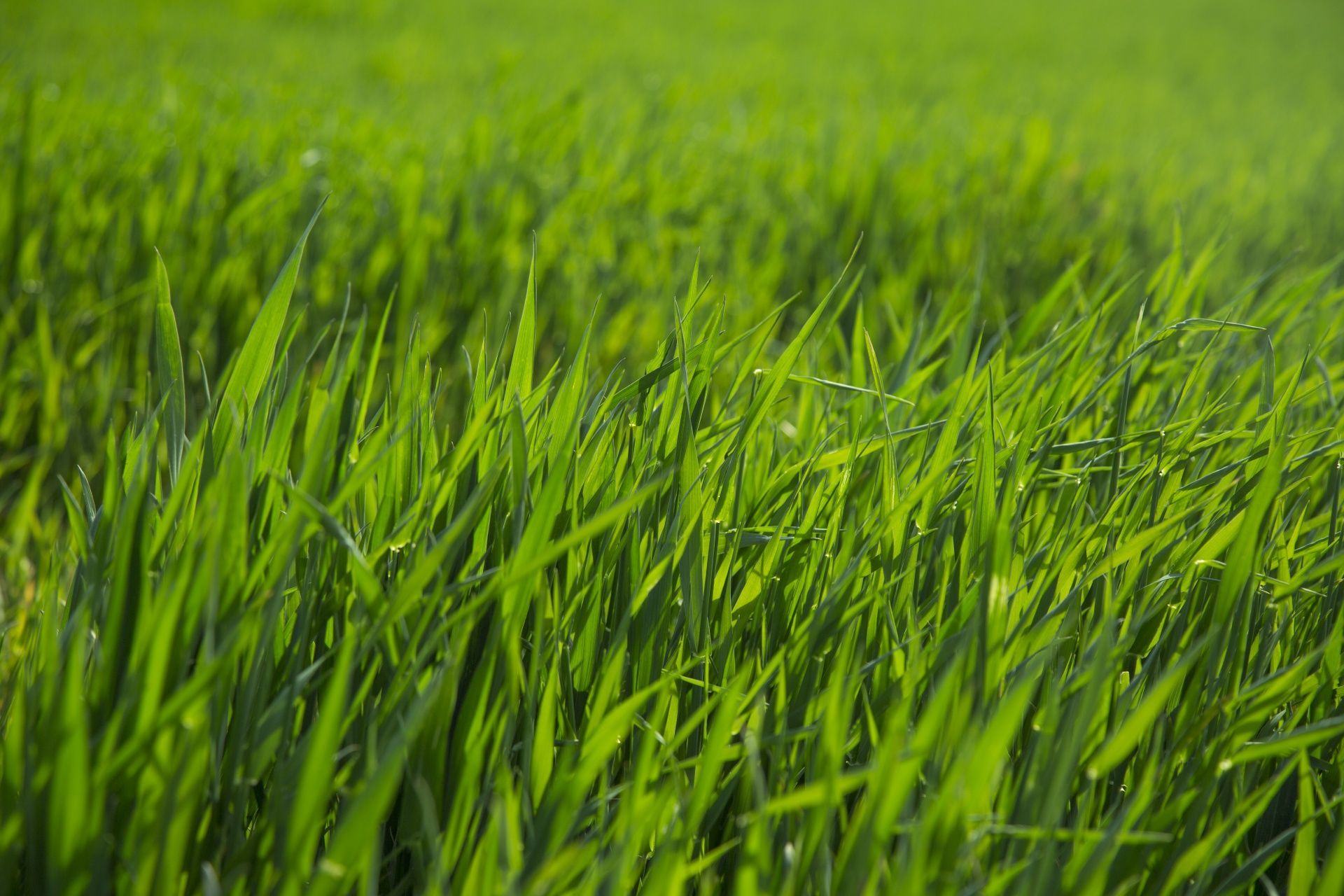
A healthy lawn creates a welcoming space for relaxation, recreation, and gatherings. Seasonal weather, soil conditions, drainage, sunlight, and foot traffic influence grass growth. Effective turf care combines appropriate mowing, watering, fertilization, soil management, and professional assessments. Tailoring maintenance to the lawn's condition, grass type, and local environment supports healthier growth and lasting visual appeal.
1. Maintain Consistent Mowing Practices
Mowing influences both the appearance and health of a lawn. Grass that grows too tall can look untidy, while cutting it excessively short can place unnecessary stress on the plants. Maintaining an appropriate mowing height helps grass retain enough leaf surface to support photosynthesis, the process through which plants use sunlight to produce energy. Suitable height varies by grass species and growing conditions, so lawn management should account for the type of turf on the property.
Mowing frequency also matters. During periods of active growth, grass may need more frequent attention than it does during slower-growing seasons. Removing too much of the grass blade at once can weaken the lawn and leave it more vulnerable to environmental stress. A consistent schedule that responds to growth patterns helps maintain a more uniform appearance.
Equipment condition can influence mowing results, too. Dull mower blades may tear grass rather than cut it cleanly, leaving uneven tips that can appear brown. Professional lawn maintenance can help ensure mowing practices suit the property's needs and support a neat, healthy finish.
Seasonal conditions should guide expectations. Spring growth may require more attention as temperatures rise, while hot, dry weather can slow growth and increase stress. In autumn, changing temperatures and leaf accumulation create different maintenance needs. Adjusting the approach throughout the year helps keep the lawn attractive without treating every season the same.
2. Improve Soil Health and Drainage
Healthy grass depends on suitable soil conditions. Soil provides the water, nutrients, oxygen, and physical support that roots need to develop. Compacted soil can limit the movement of air and water, making it more difficult for roots to grow. Poor drainage may leave areas consistently wet, while excessively dry soil can prevent grass from receiving enough moisture.
A professional assessment can help identify whether soil compaction, drainage problems, or nutrient imbalances are affecting the lawn. These issues may appear as thin grass, standing water, uneven growth, or recurring bare patches. Because several conditions can create similar symptoms, evaluating the underlying cause is important before selecting a treatment.
Soil testing can provide useful information about nutrient levels and pH. Soil pH affects how readily grass can access certain nutrients, meaning that adding fertilizer alone may not resolve every growth problem. Based on the findings, a lawn professional can recommend appropriate amendments or other measures suited to the property.
Drainage deserves particular attention after periods of heavy rainfall. Water that remains in low areas can deprive roots of oxygen and contribute to declining grass health. Changes in grading, soil structure, or water movement may be worth evaluating when the same areas repeatedly become saturated. Addressing these conditions can help create a more consistent growing environment and support stronger root development.
3. Manage Watering for Healthy Growth
Water is essential for grass growth, but the right amount depends on rainfall, temperature, soil type, and grass variety. Too little moisture can leave a lawn dry and brittle, while excessive watering may contribute to shallow roots, runoff, or conditions that encourage disease. A consistent, weather-conscious approach helps maintain the balance grass needs.
Professional turf care can help determine whether a lawn's watering patterns support healthy growth. Areas with sandy soil may lose moisture more quickly than those with heavier soil, while shaded sections often dry more slowly than lawns exposed to direct sunlight. Recognizing these differences helps property owners understand why certain areas may look healthier than others.
In Bucks County, Pennsylvania, seasonal weather creates changing lawn maintenance needs. Spring rainfall can provide substantial moisture, while summer heat may increase the need for careful water management. During autumn, cooler temperatures and changing rainfall patterns can alter how quickly grass dries. Adjusting lawn maintenance to current conditions helps avoid applying water according to a fixed schedule when the weather calls for a different approach.
Drainage is equally important. Water should reach the root zone without leaving the lawn saturated for extended periods. If puddles regularly form or certain areas remain unusually dry, a professional assessment can help identify the underlying issue. Addressing these conditions supports more uniform growth and helps preserve the lawn's overall appearance.
4. Apply Nutrients According to Lawn Needs
Grass requires nutrients to grow, maintain its color, and recover from ordinary environmental stress. However, applying fertilizer without understanding the lawn's needs can lead to unnecessary applications or imbalanced soil conditions. A suitable nutrient program considers grass type, soil characteristics, season, and the condition of the existing lawn.
Soil testing can help establish whether particular nutrients are deficient and whether soil pH needs attention. Based on those findings, a lawn professional can recommend a treatment plan that supports healthy growth without applying more nutrients than necessary. Proper timing also matters because grass has different nutrient requirements during active growth and periods of slower development.
Professional turf care may include evaluating nutrient deficiencies and selecting treatments that address the specific condition of a property. Yellowing, thinning, and slow growth can have several causes, so fertilizer is not always the appropriate response. Identifying the reason for a problem first can help prevent unnecessary treatments and support more effective lawn management.
Seasonal timing is particularly important in the Mid-Atlantic region. Spring and autumn often provide favorable conditions for many cool-season grasses, although the best treatment schedule depends on grass type and local conditions. Summer heat can place additional stress on lawns, making appropriate timing and application practices important considerations. A tailored plan can help maintain a more consistent appearance as growing conditions change.
5. Address Weeds, Pests, and Lawn Disease
Weeds, insects, and lawn diseases can interfere with grass growth and affect the appearance of an otherwise attractive yard. Some weeds compete with grass for sunlight, water, and nutrients, while certain insects can damage roots or blades. Fungal diseases may also develop when environmental conditions favor their spread.
Early recognition helps property owners address concerns before they affect larger areas. However, similar symptoms can stem from very different causes. Brown patches, thinning grass, and discolored blades may indicate disease, pest activity, drought stress, nutrient deficiencies, or soil problems. A professional assessment can distinguish among these possibilities and guide the selection of an appropriate response.
Targeted turf care considers the lawn's condition rather than automatically treating every visible problem in the same way. A lawn professional can evaluate affected areas, identify likely causes, and recommend suitable treatments when needed. This approach helps ensure that interventions are relevant to the issue and the property's growing conditions.
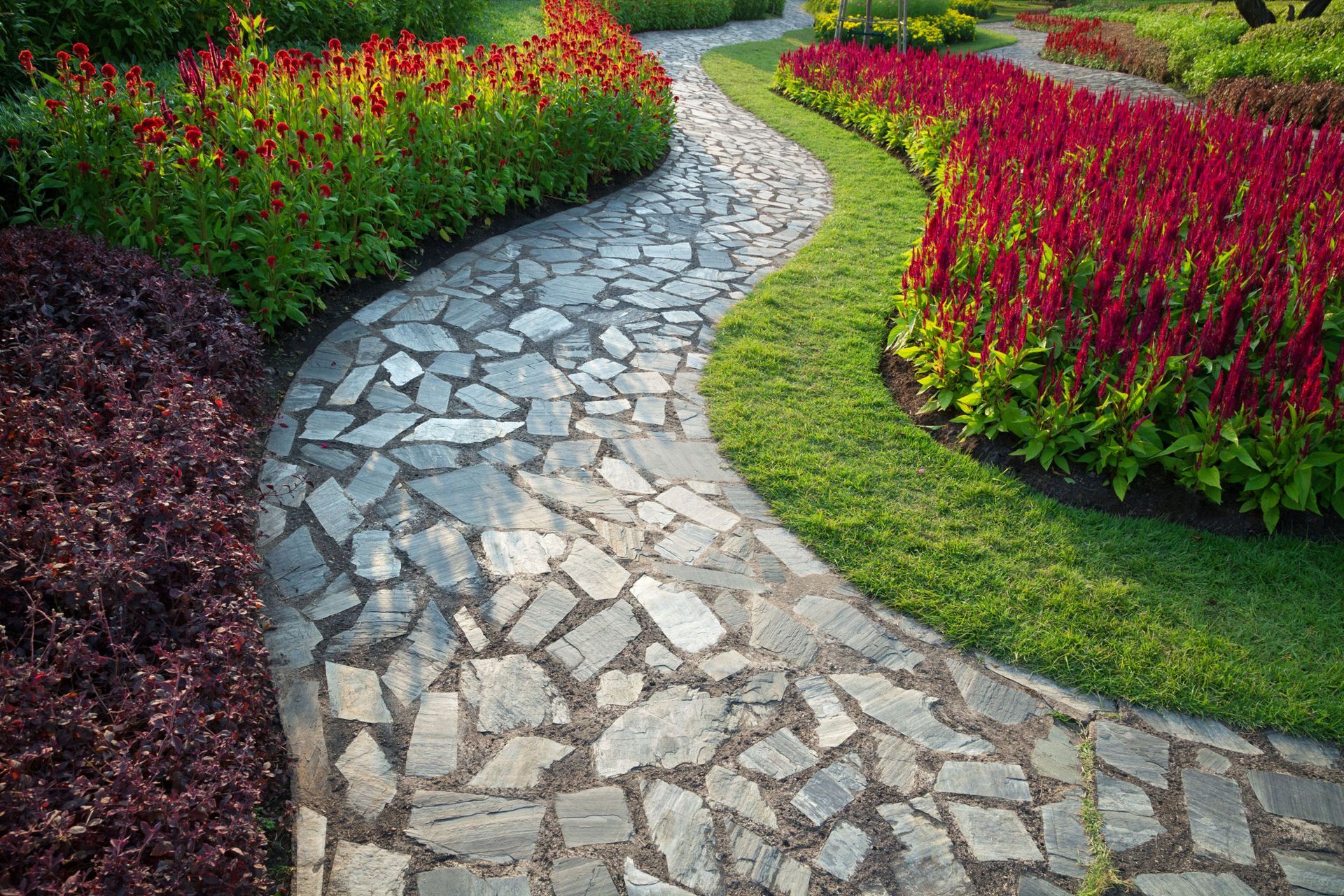
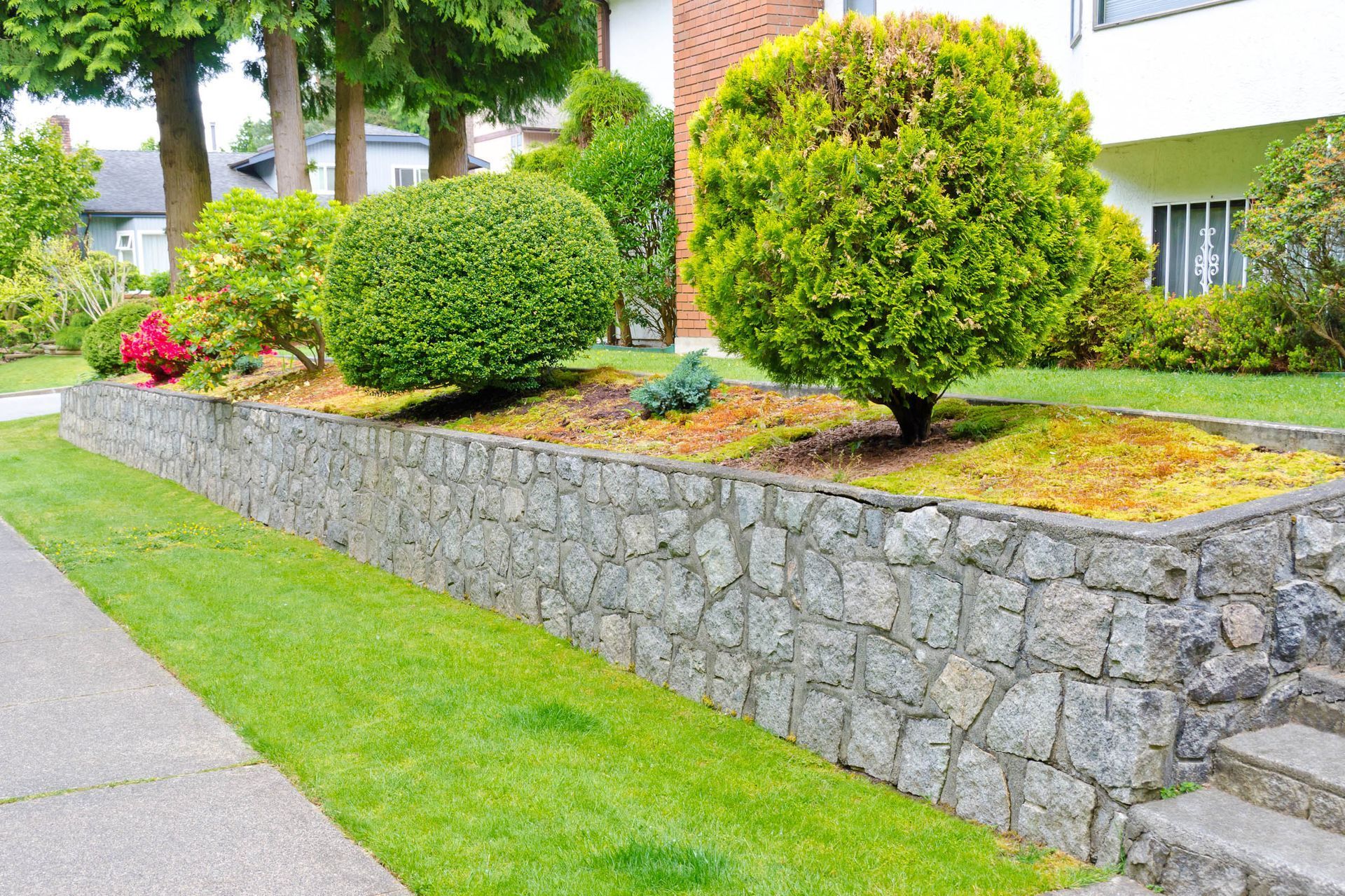
Consistent mowing, balanced nutrients, proper watering, and healthy soil help grass withstand common stresses. According to Gitnux, 88% of homeowners improve their landscaping or outdoor living spaces primarily to create areas for relaxation and entertaining. Professional turf care supports an attractive lawn that complements garden beds, patios, walkways, and other landscape features, creating a welcoming outdoor environment.
Every yard has different requirements, and the most effective maintenance plan reflects its soil, sunlight, drainage, and intended use. Professional guidance can help property owners prioritize improvements and maintain their outdoor spaces as conditions change throughout the year.
For assistance maintaining an attractive lawn and improving the health of your outdoor space, contact W.D.B. Landscaping Inc to discuss your property's needs and request an estimate for professional lawn maintenance.